When I was in elementary school, getting online was nothing like it is now.
There were no smartphones. You sat down at a desktop computer, dialed in, and waited. And it cost money. Not a flat monthly fee, but by the hour, like a taxi meter running the whole time you were connected. For a family in a small farming community, that added up fast.
Our town sat outside the county lines of the nearest real city, which meant the call to connect was long distance. So on top of the hourly fee to the internet provider, we were paying by the minute for the phone call itself, and long distance back then ran north of 25 cents a minute. Put it together and an hour online cost at least $3.00 before the phone charges, and at our house it was closer to $18. In today’s money that’s about $36 for one hour. My parents were middle class and not eager to light that kind of money on fire so their kid could look at web pages. I understood the math. I was still annoyed about it.
An hour of internet at our location would have run about $18. Roughly $36 after inflation, in 2024.
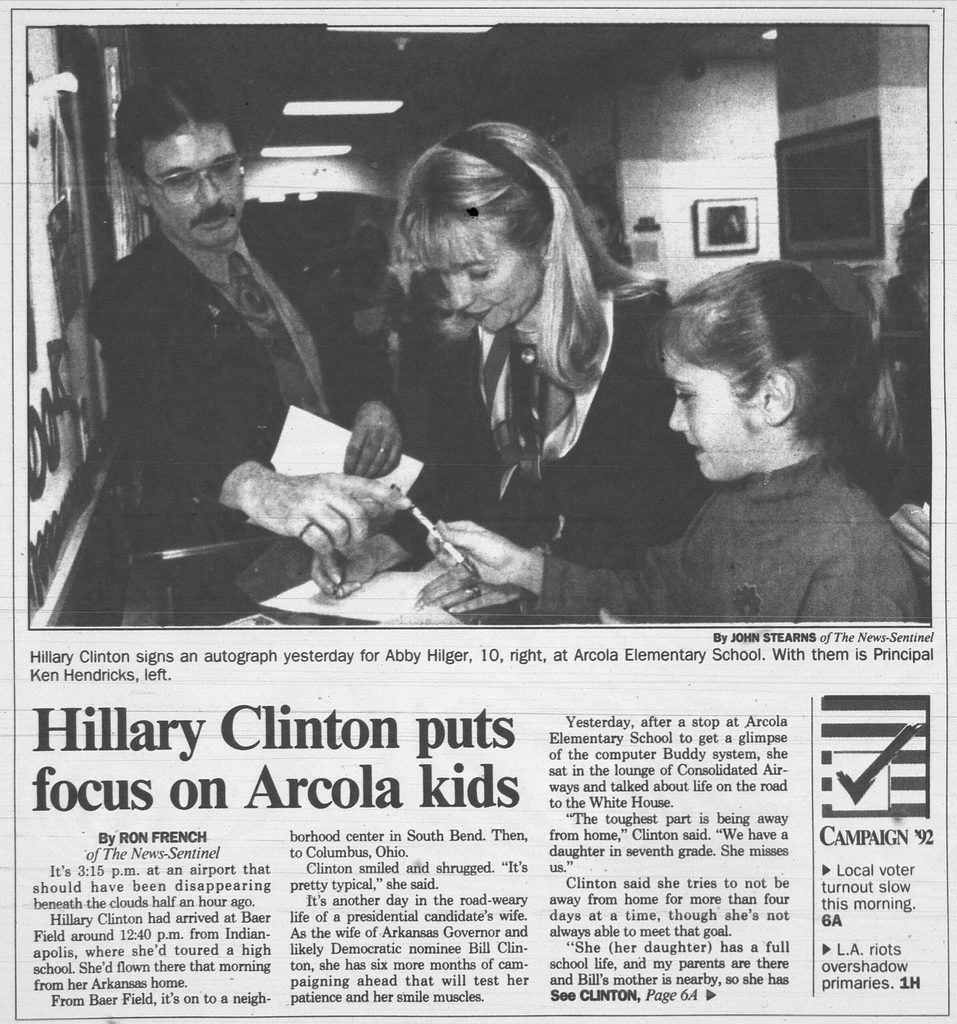
The one thing we did have was computers, early and often. My school was rural and small and somehow ended up with genuinely current technology, thanks to a program Hillary Clinton pushed for. It was called The Buddy Project, and the idea was to put computers in the classroom and in kids’ homes at the same time so the two would reinforce each other. My grade got picked. For six straight years, from 1993 to 1998, my family got a brand-new computer every year at no cost.
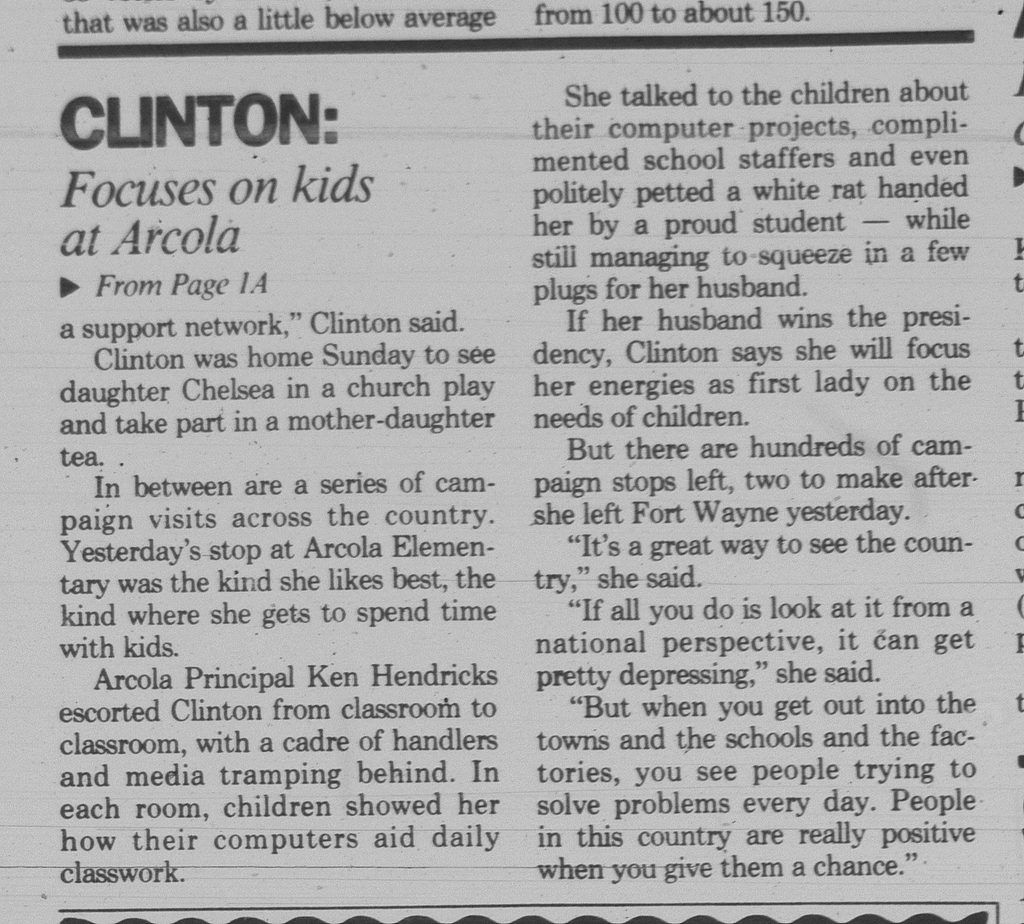
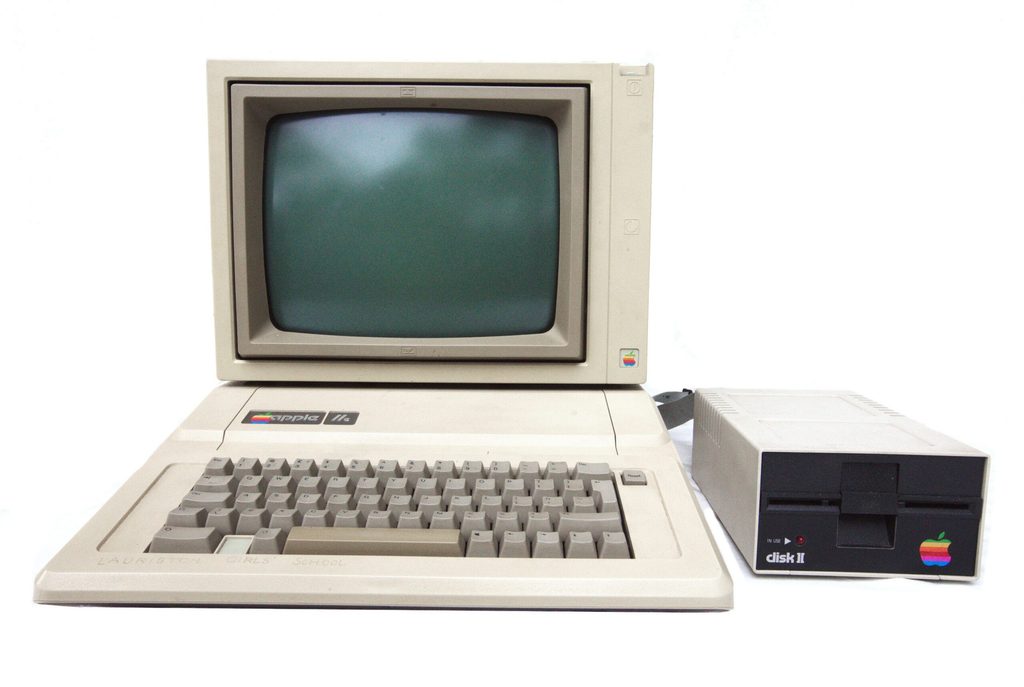
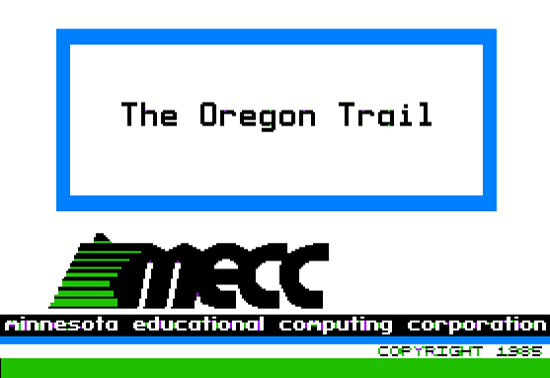
Hillary Clinton actually came to the school in May 1992. By then we were already using Apple ][ machines in class. I have very specific memories of rainy days when they canceled outdoor recess and everyone else got marched to the gym, and I stayed behind to play Oregon Trail, poke around Fort Laramie, and watch my wagon party die of dysentery one by one.
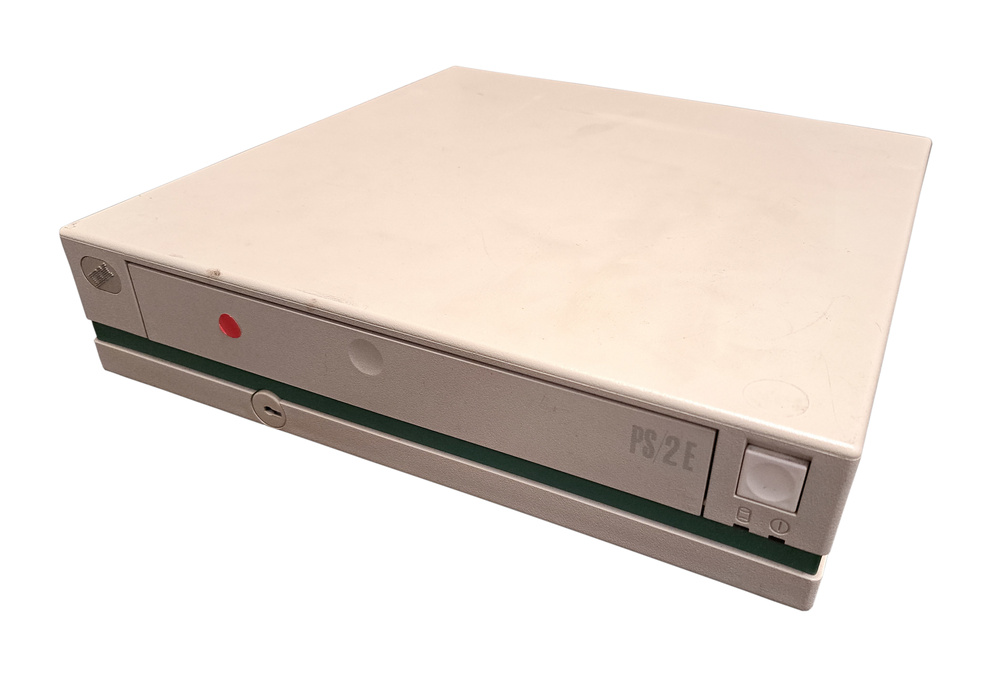
We had a machine at home before any of that, too. My dad is a process engineer, and he’d seen what simulation software could do at work and got hooked on the whole idea of it. Money was tight, but he and my mom financed an IBM PS/2 E from Sears anyway, at interest rates that would make you wince. To them it was worth it. We had a real computer in the house.
They bought it thinking of it as something for the whole family, us kids included. What they were actually doing was handing me the thing I’d still be doing for the rest of my life. I spent whole summers in front of that screen, working through Compton’s Interactive Encyclopedia on CD-ROM and messing with every corner of Windows 3.1.
The school computer eventually just lived at our house full time. It was newer and faster than the IBM, so it got the attention. At the end of each school year our parents could buy the current machine outright, and at first they passed. The IBM still ran fine, and at the time it was as good as anything you could get.
The internet wasn’t part of the picture yet on that old Windows 3.1 box. The school had a connection, but it wasn’t something students used day to day. We were right on the edge of it going mainstream and not quite there.
Then 1995 happened. That year the new computer didn’t show up on schedule. Word was we were waiting on machines that would ship with Microsoft’s new operating system, Windows 95, and the school’s computer coordinator kept telling us it was going to change everything. I remember the wait clearly. We’d have to give back the old system and get the new one sometime mid-year, and by the time we came back from winter break I’d heard “the power of the Internet” said on the news enough times to be genuinely worked up about it.
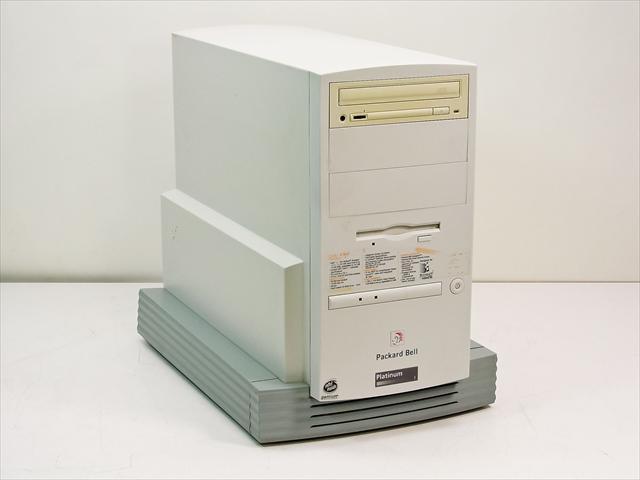
The new Packard Bell Platinum finally arrived in March. I was thrilled and also a little confused about how it fit the school-year timing, and whether we’d still get an even better one next fall. Once I turned it on, I stopped caring about any of that. The interface was clean and there were settings everywhere.
Going through a new computer top to bottom was just what I did. Control panels, every menu, every keyboard shortcut. Even on the Windows 3.1 machines I’d sit at the MS-DOS prompt and work through the commands one at a time to see what they did.
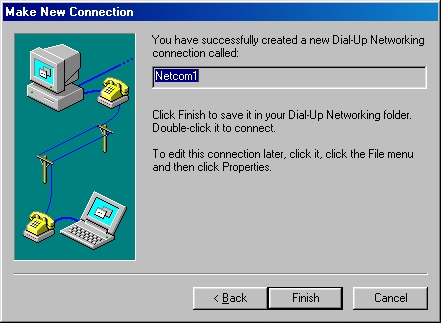
The Packard Bell got the same treatment, and somewhere in the menus I found the references to the modem. Then I looked at the back of the case and there was the phone jack. The machine was ready to go online. It just wasn’t allowed to.
Getting my parents to sign off on that was not going to be easy. The hourly cost was the big one, plus the fact that being online tied up the only phone line in the house and made it useless for anything else.
That library had an electronic card catalog, which was a big deal at the time. One of the librarians I’d gotten friendly with explained how it worked. You dialed a phone number and used Telnet, short for teletype network, to reach a text interface where you could search the whole catalog. You typed commands at it, basically like a DOS prompt.
Here’s the part that matters. For years I was a heavy reader. My mom loves libraries, and the two of us spent a lot of summer days at ours. She’d talk with the staff and I’d go straight to the kids’ section and check out as many books as they’d let me, then tear through them at home and count down to the next trip. She never pushed back on the reading. She knew the library staff, and we lived close to the Allen County Public Library, which is one of the best libraries in North America. I’ll still argue that. One of the best in the country.
The detail that changed everything was that the library ran a local access number. In a world where a long-distance call could quietly bankrupt you, a local number meant free.
So one day I ran a phone cord to the computer and dialed that local number. I went through the card catalog over Telnet and tried every command I could think of. And I found a system administrator area that opened up if you knew what to type. That led further in, to the ability to open other ports on the library’s network.
Next time I was at the library I told one of the librarians, pretty pleased with myself, that I’d found the systems area. She said she didn’t really know that side of it, that the people at the main branch handled the technical work. She wasn’t worried about it. Whether that was because she trusted me or because she figured a little kid couldn’t do any harm, I don’t know, but it didn’t slow me down.
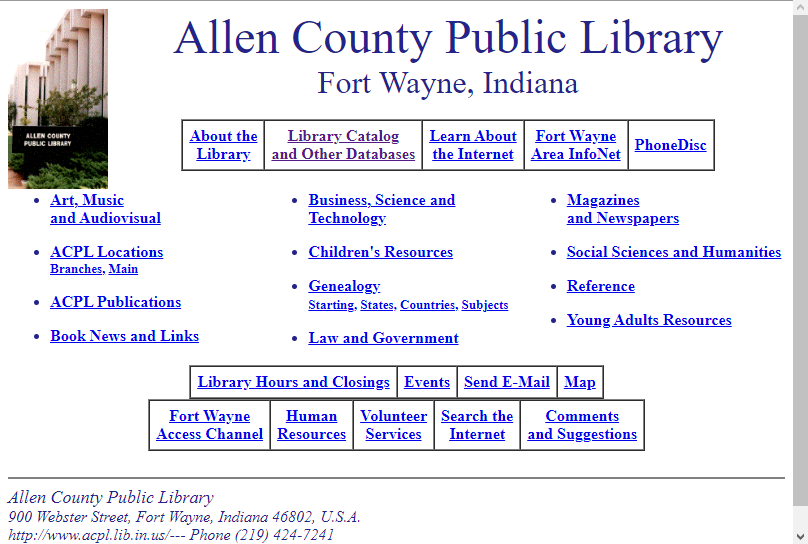
On another call into the library’s system I started trying the commands to open more ports. There were options for FTP, HTTP, GOPHER, NEWSGROUPS, the whole menu. What I wanted was the web, so I opened HTTP. Then I launched Netscape Navigator and went to the library’s website using a bookmark they’d given me earlier.
Up to that point my entire internet experience was short supervised sessions at the library itself, and I could never talk my mom into sitting there with me for very long. I’d seen a handful of sites, including the one for Nick, which was my channel.
Poking around the library’s own site, I found all sorts of services hanging off the catalog and the other databases. Some of them, like searching newspapers from around the country, only worked from IP addresses inside the library building.
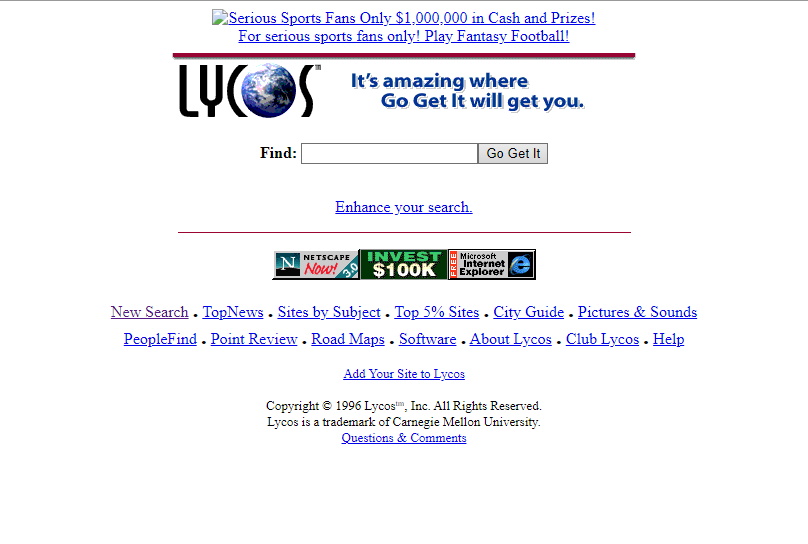
Then I tried loading Lycos. It came right up. And that was it, the entire web was open in front of me. I stayed on about thirty minutes and then hung up, nervous about being noticed and about sitting on the phone line too long. If anyone in the house had picked up a receiver, there’d be no dial tone, just the sound of the line in use. Lucky for me nobody was around to hear the modem screech through its handshake that first time, or the whole thing would have ended right there.
I wrote down the exact command to open the HTTP port and tried it again a few days later, this time skipping the admin area and just sending the command straight in. I’d also gone into the computer’s settings and killed the dial-up sound, so the handshake wouldn’t announce itself anymore.
I dialed in and spent about an hour on Lycos going everywhere. That was the start of it. I’d come home from school and go straight to the computer, and my parents didn’t think twice, because computers were a school thing and this one had been sent home specifically for us to use. Over the next while I was online more and at the library less. I still felt like I was getting away with something, even though realistically nobody was watching closely enough to catch it.
My mom and my grandma talked on the phone twice a week, and they took turns being the one to call so the long-distance charge didn’t always land on the same person. My sister and I were usually on the line with grandma for those, so I knew the schedule cold and planned around it. On the days it was my mom’s turn to dial out, I stayed off. On the days grandma was calling in, I stayed off so she wouldn’t hit a busy signal.
Then one Saturday afternoon it fell apart. Grandma called earlier than she normally would and got a busy signal over and over for hours, because I was on, deep into it and not thinking about the time. My parents assumed I was programming. I’d gotten into writing little programs for school by then, including quiz programs for myself and other students, so that was a believable cover. I finally logged off, and the phone rang a few minutes later. Grandma, telling my mom the line had been busy all day. My mom figured something was wrong with the phone service and started talking about calling the phone company to check.
It got more interesting when she floated adding call waiting to the line. Call waiting would beep during an incoming call, and each beep could knock me offline, but at least it would tell me someone was trying to get through.
I kept going anyway, still riding the library’s accidental generosity, until one specific thing finally happened that blew the whole operation open, got my parents wise to what I’d been doing, and got me grounded.
To the librarians who had no idea they were the ones who got me online, thank you. I owe you one.